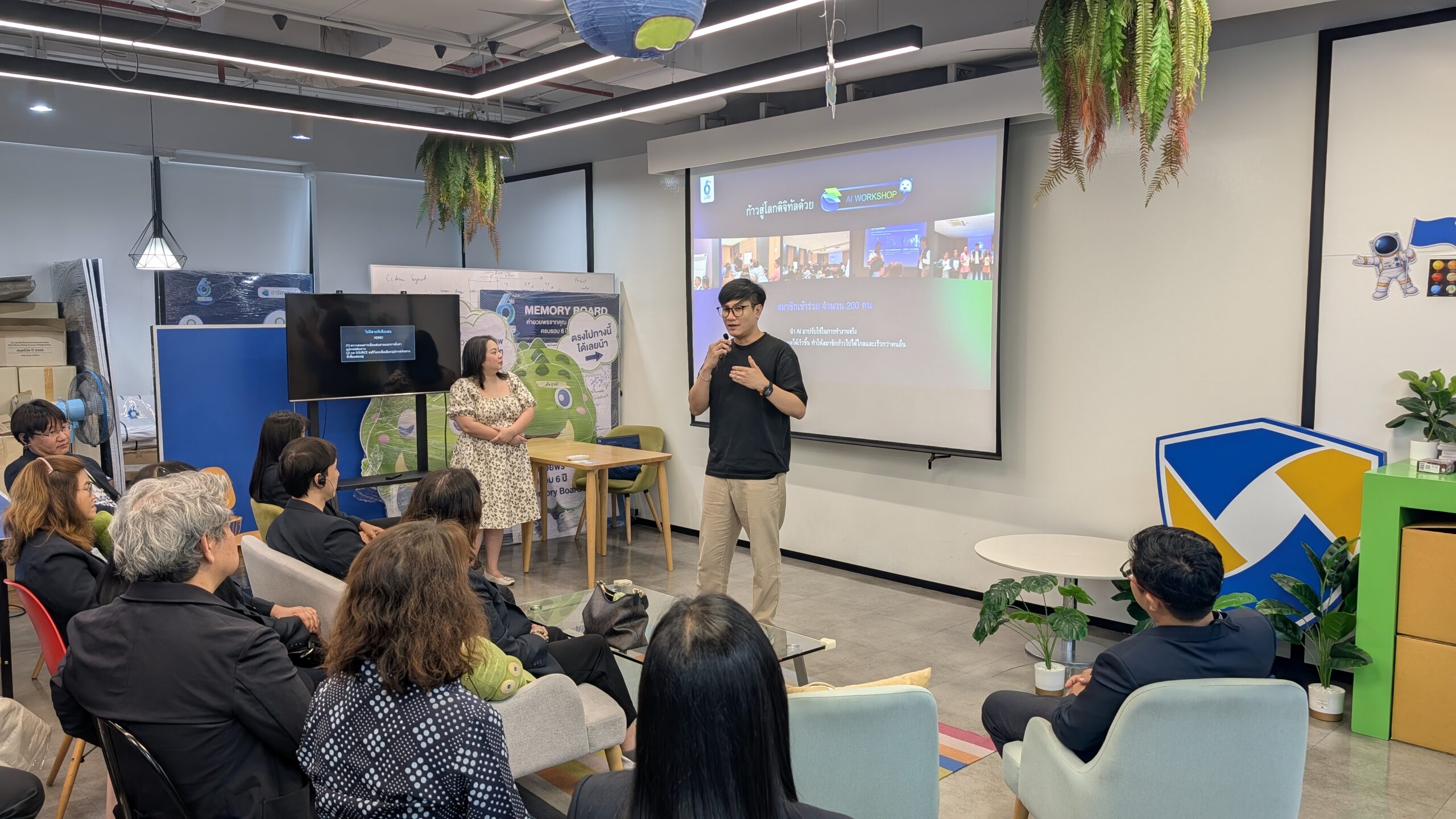
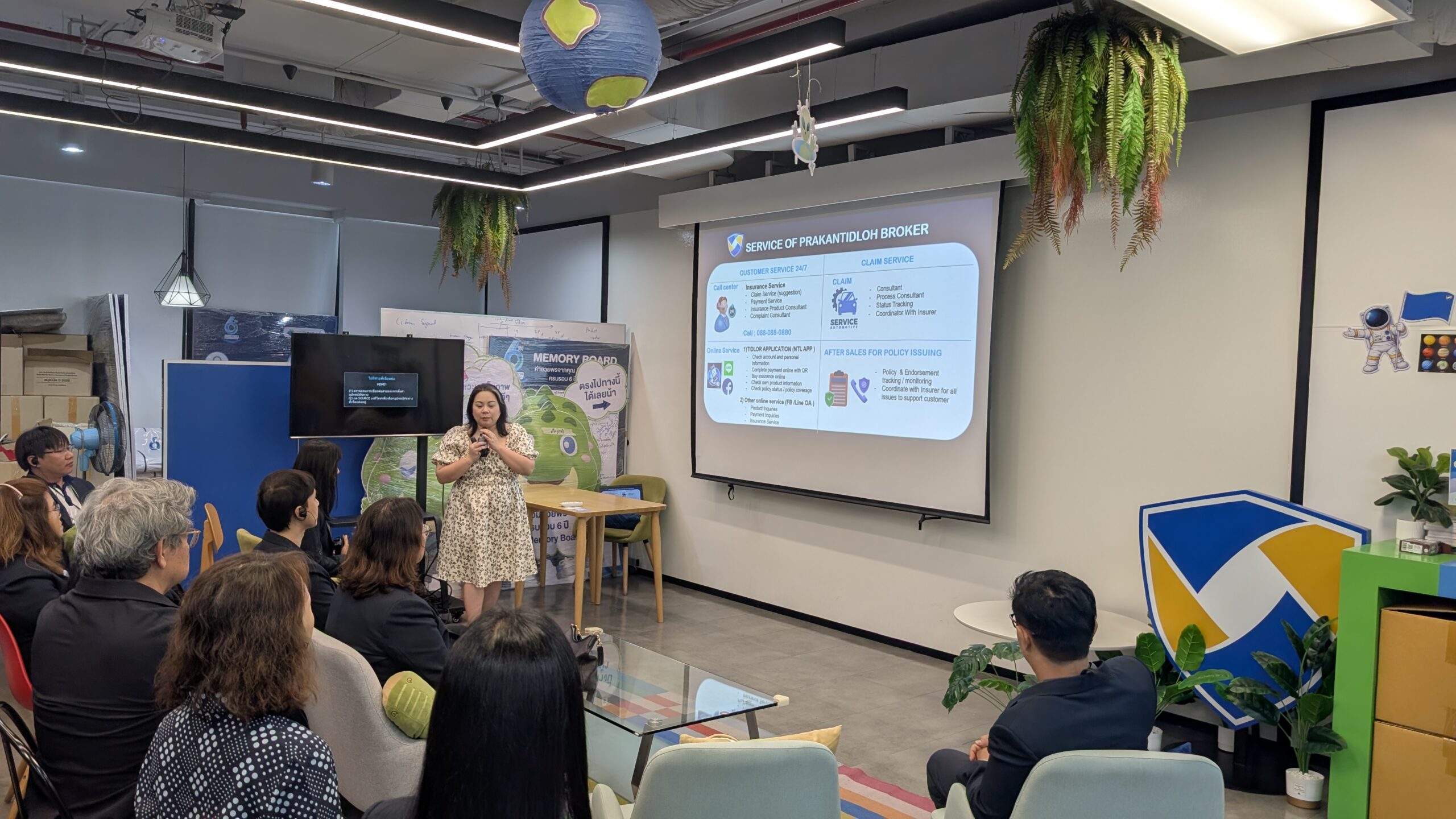
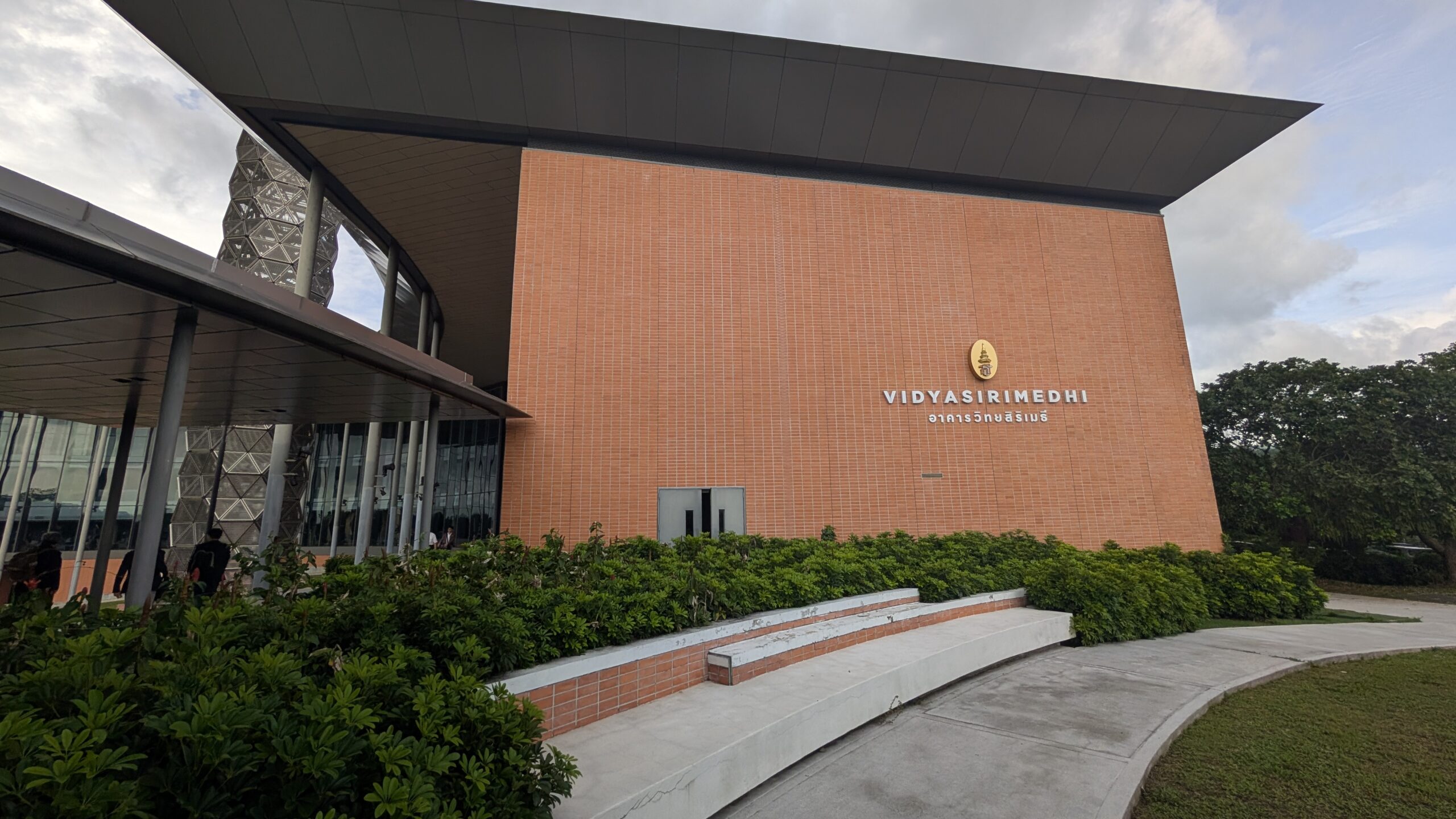
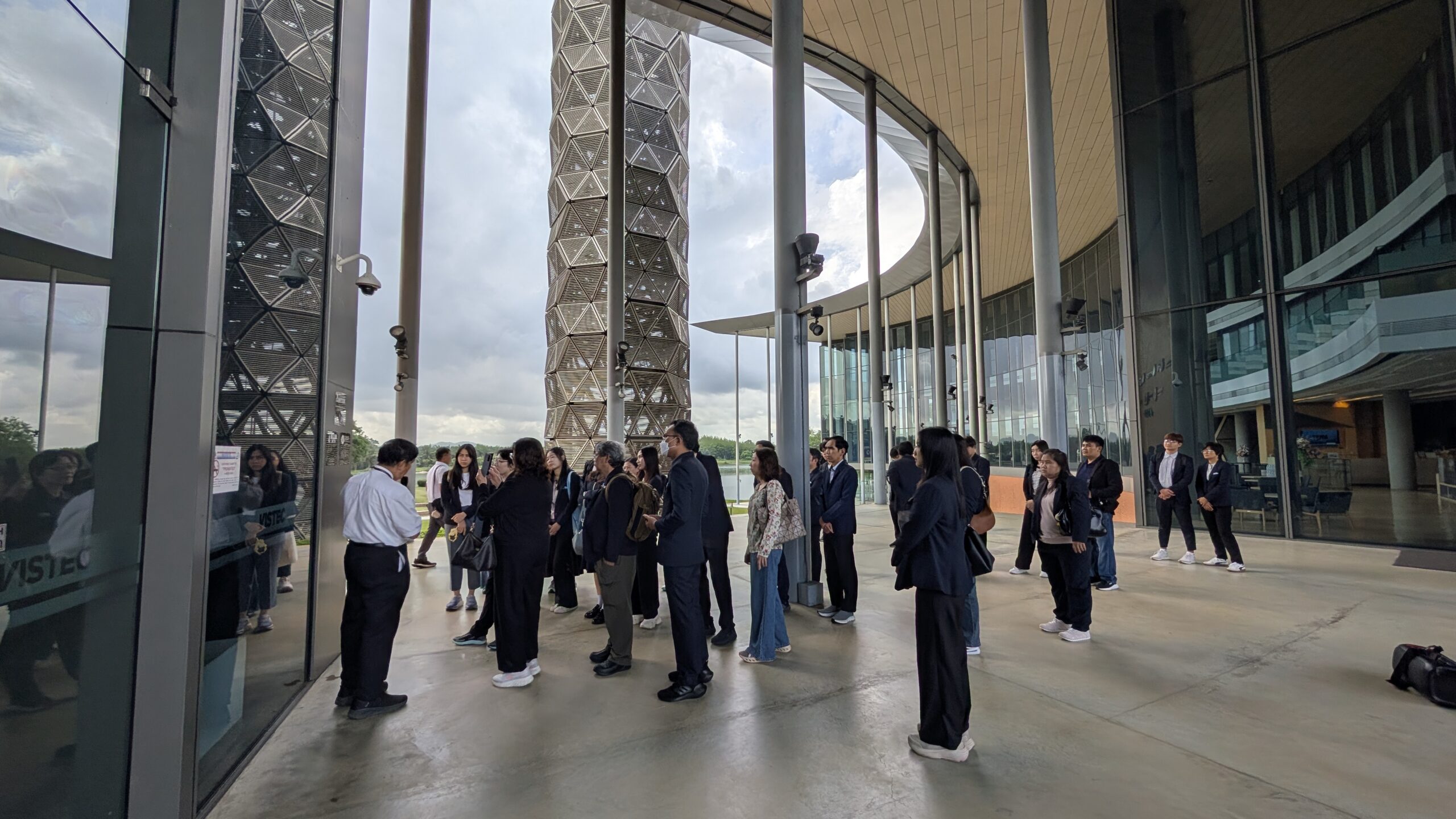
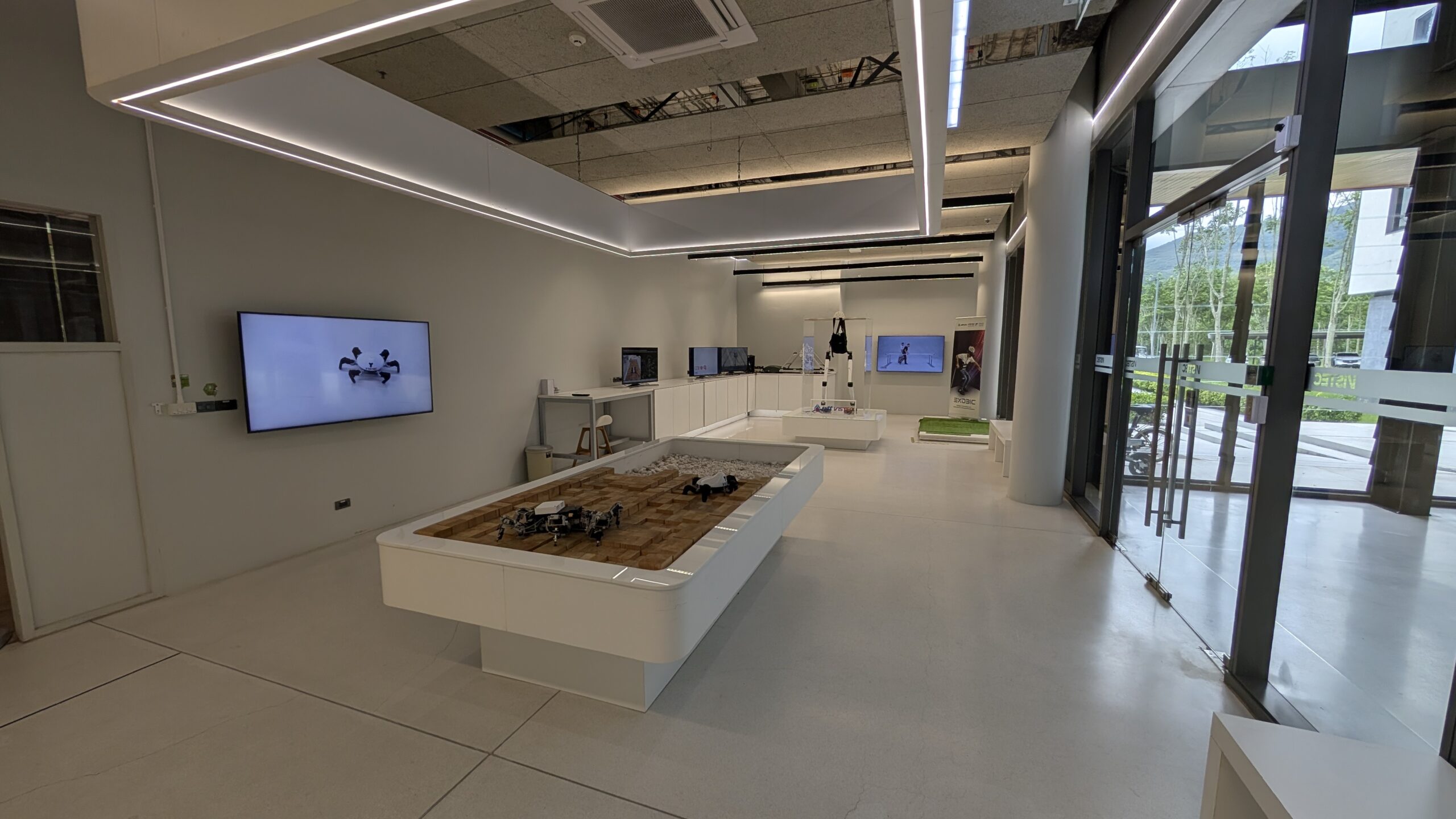
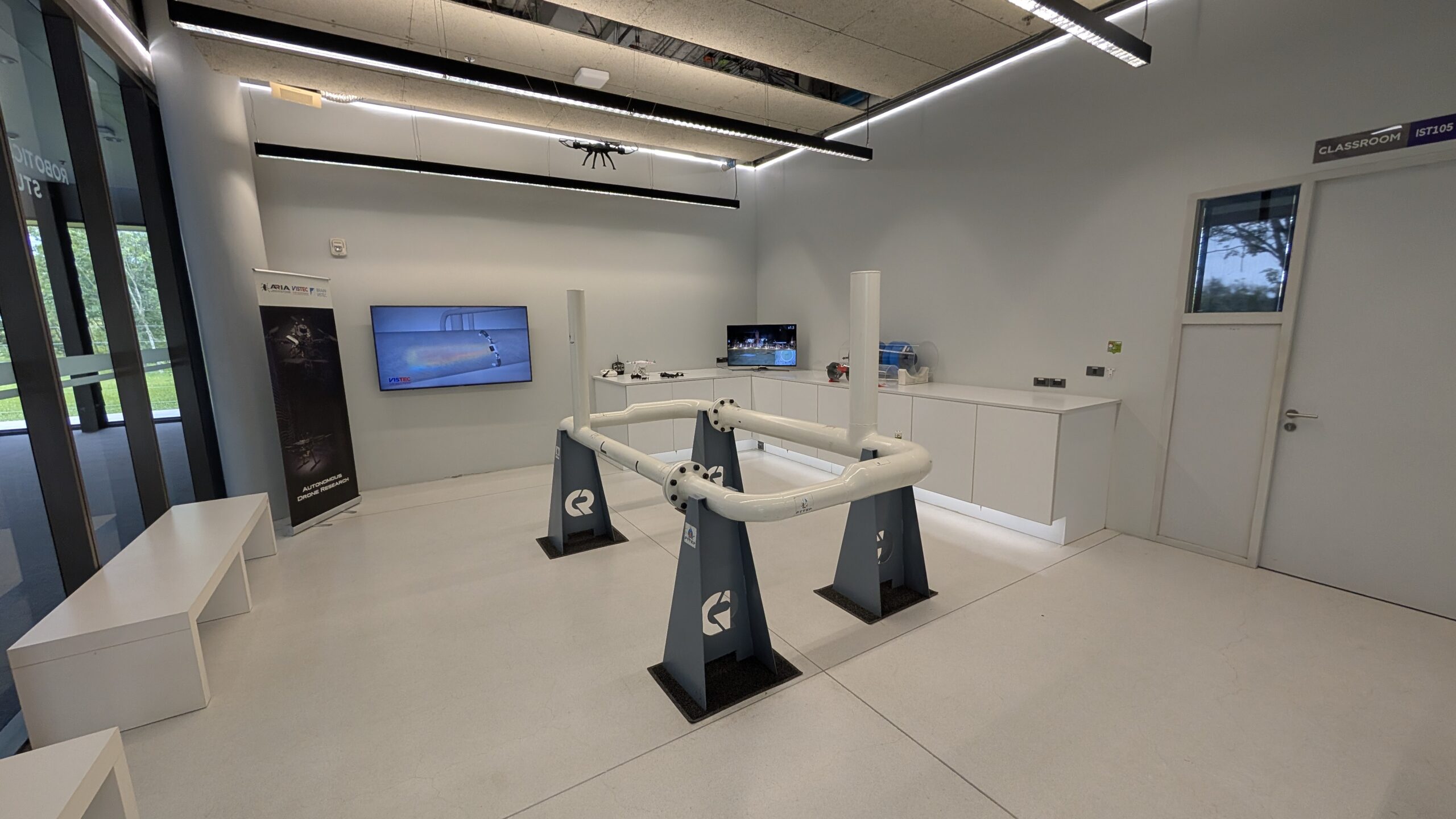
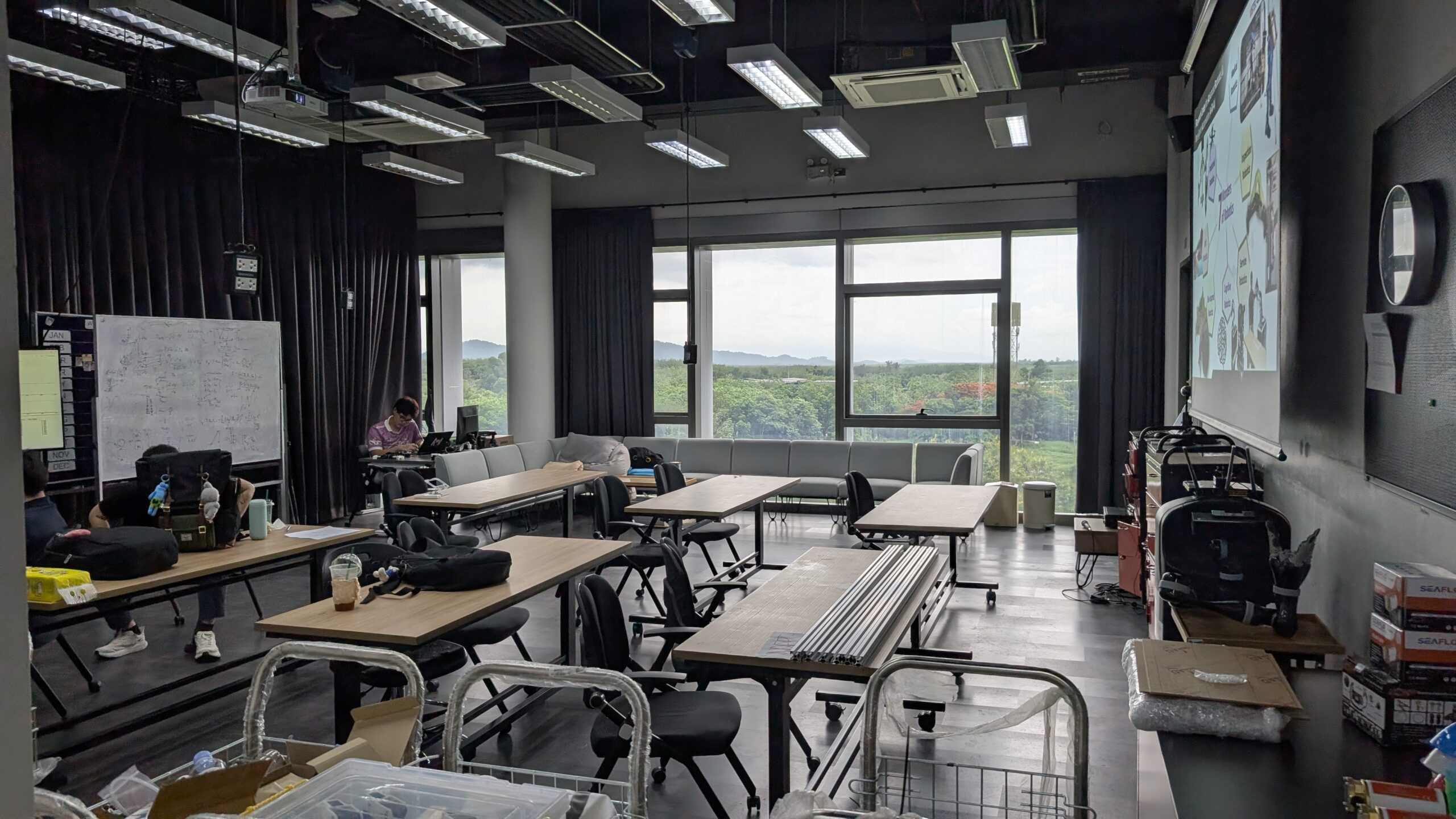
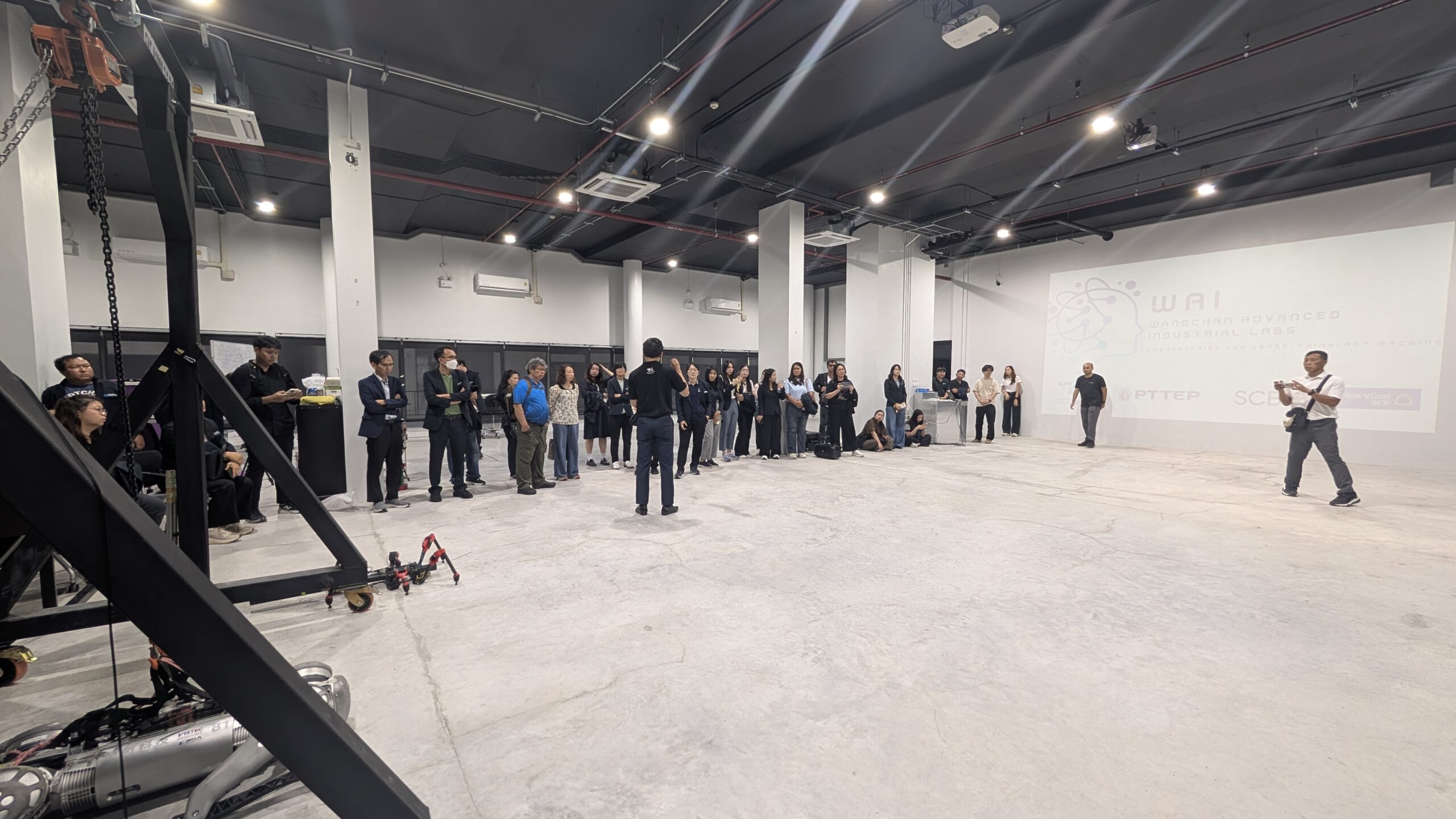
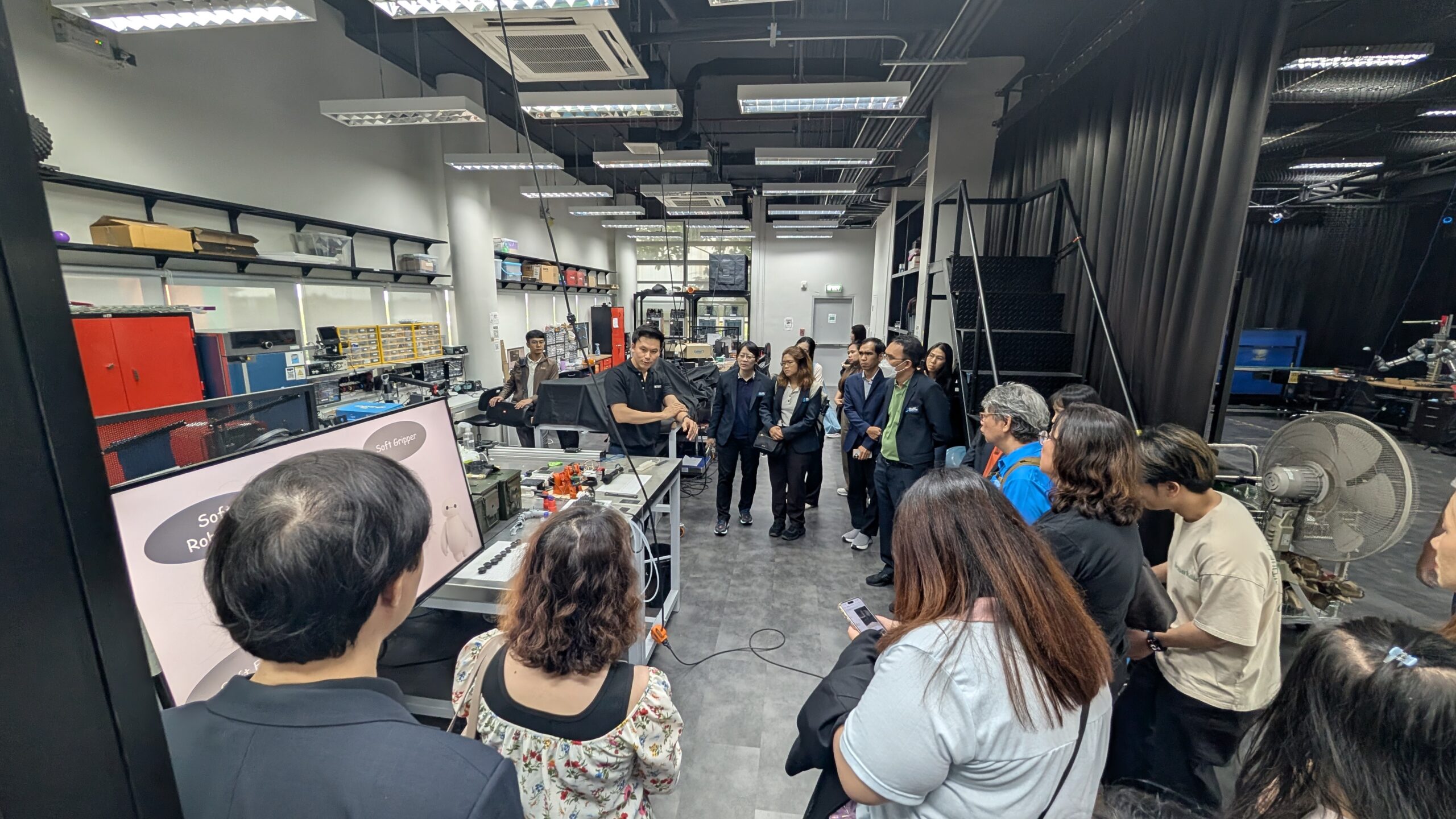
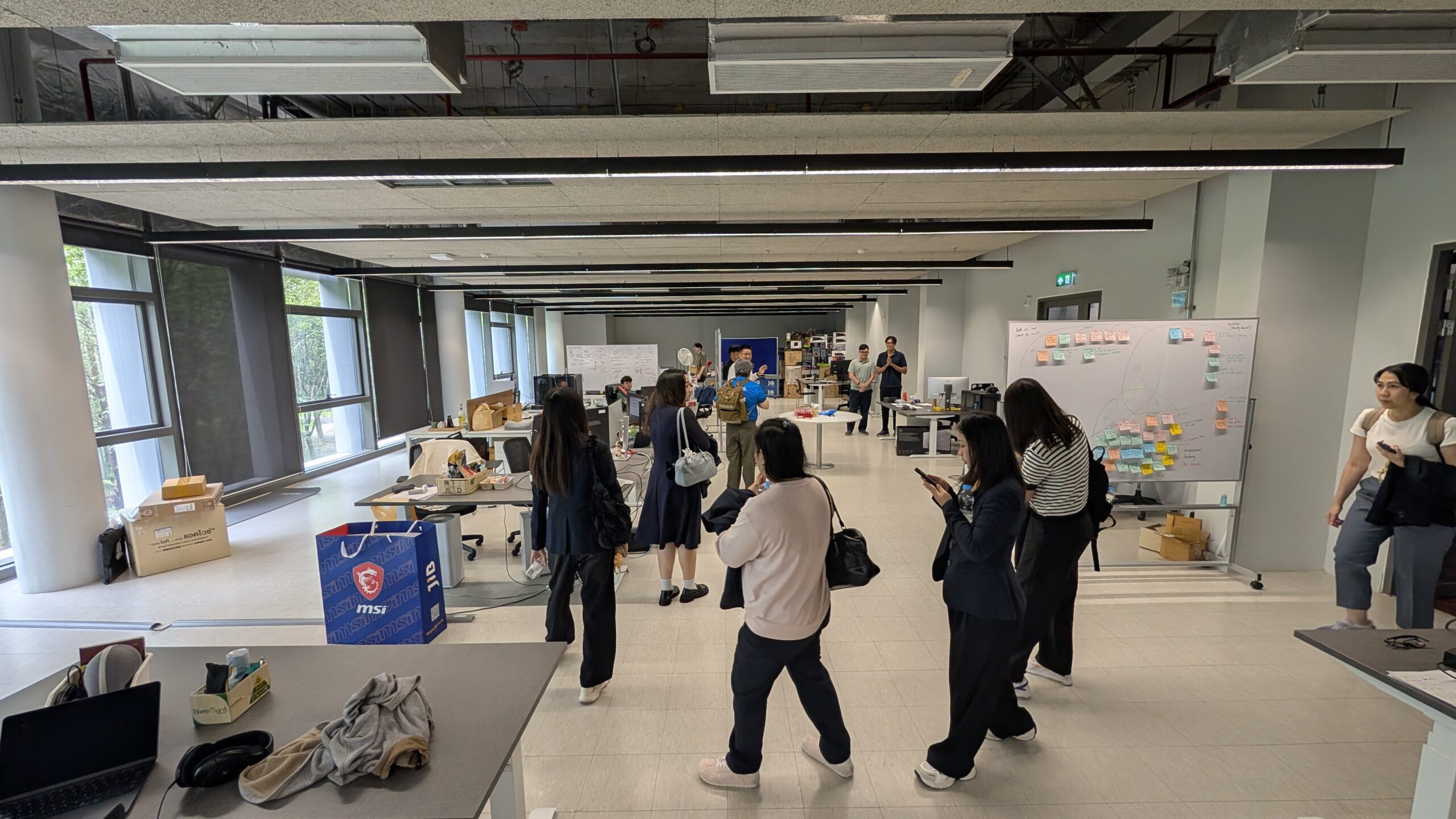
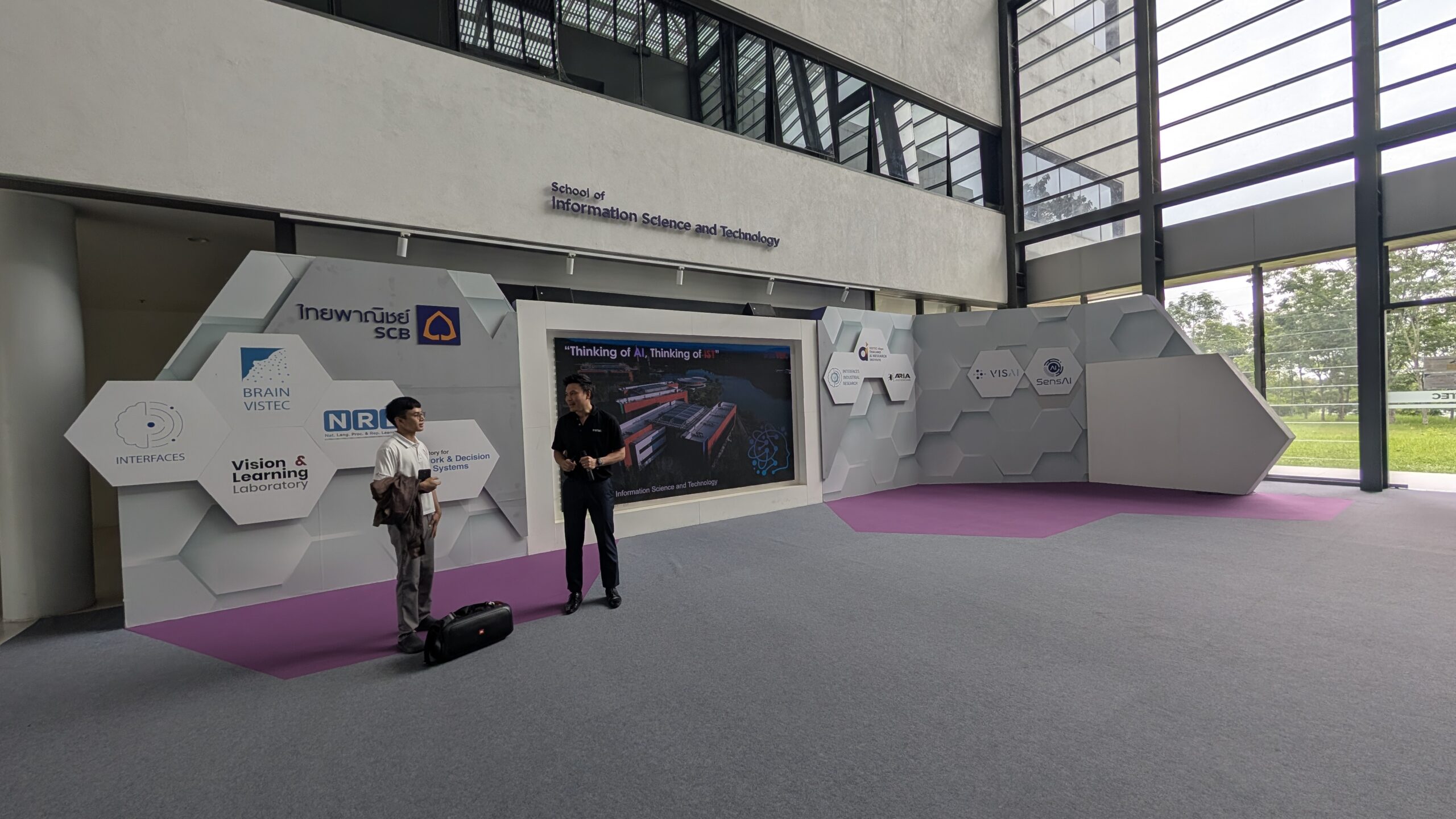
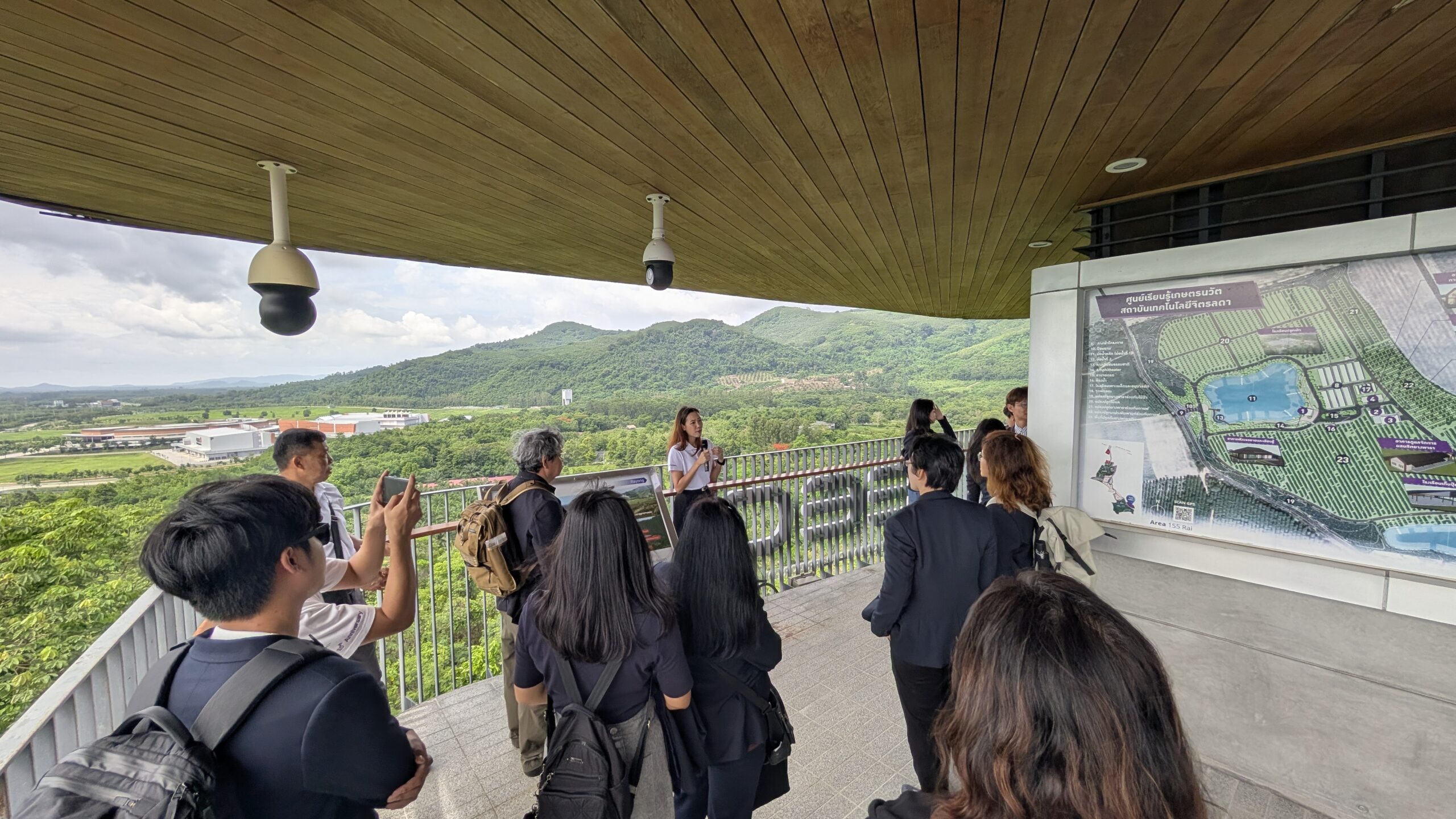
เมื่อไม่นานมานี้ ผมและคณาจารย์จากวิทยาลัยการคอมพิวเตอร์ มหาวิทยาลัยขอนแก่น ได้มีโอกาสเดินทางไปศึกษาดูงานใน 2 องค์กรแถวหน้าของประเทศไทยที่มีความโดดเด่นในมิติที่ต่างกันอย่างสิ้นเชิง องค์กรแรกคือ บริษัท เงินติดล้อ จำกัด (มหาชน) หรือ TIDLOR ผู้นำด้านสินเชื่อทะเบียนรถและนายหน้าประกันภัยยุคดิจิทัล และองค์กรที่สองคือ สถาบันวิทยสิรินเมธี (VISTEC) สถาบันบัณฑิตศึกษาและวิจัยด้านวิทยาศาสตร์และเทคโนโลยีระดับโลก
แม้ว่าบริบทของทั้งสองแห่งจะดูเหมือนอยู่คนละขั้ว แต่สิ่งที่เราได้ค้นพบและตระหนักร่วมกันตลอดการเดินทางครั้งนี้คือ “พลังของวัฒนธรรมองค์กร ดาต้า และระบบสนับสนุนที่แข็งแกร่ง” ซึ่งเป็นหัวใจสำคัญที่ขับเคลื่อนให้พวกเขาก้าวไปสู่ความสำเร็จระดับประเทศ และสิ่งเหล่านี้เองที่เป็นบทเรียนล้ำค่าที่เราสามารถนำกลับมาตกผลึก เพื่อ Re-design และยกระดับการทำงานและการเรียนรู้ของเรา
[Part 1] เงินติดล้อ: สร้างวัฒนธรรมองค์กรให้ทรงพลังด้วย Data & Sociogram
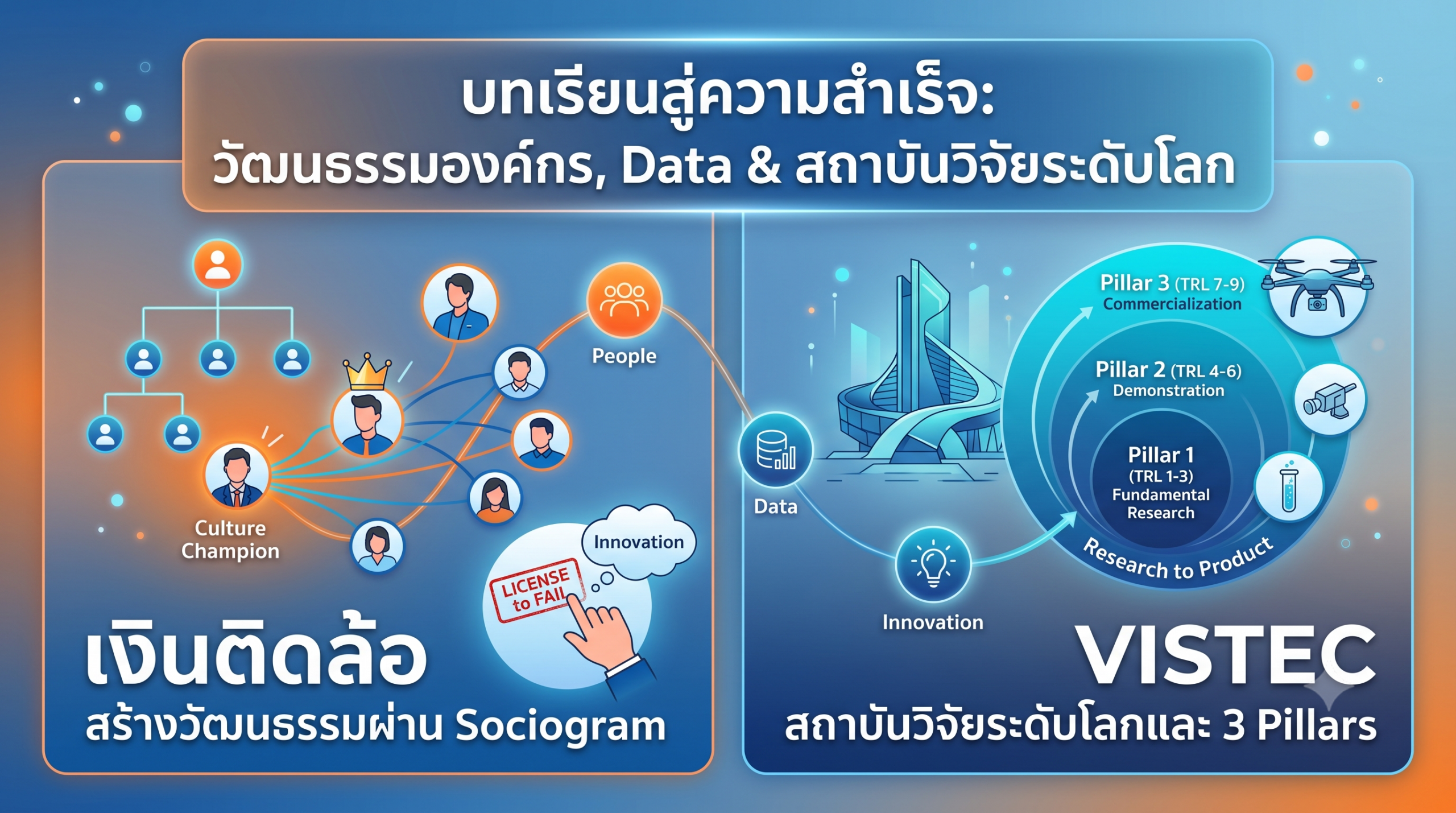
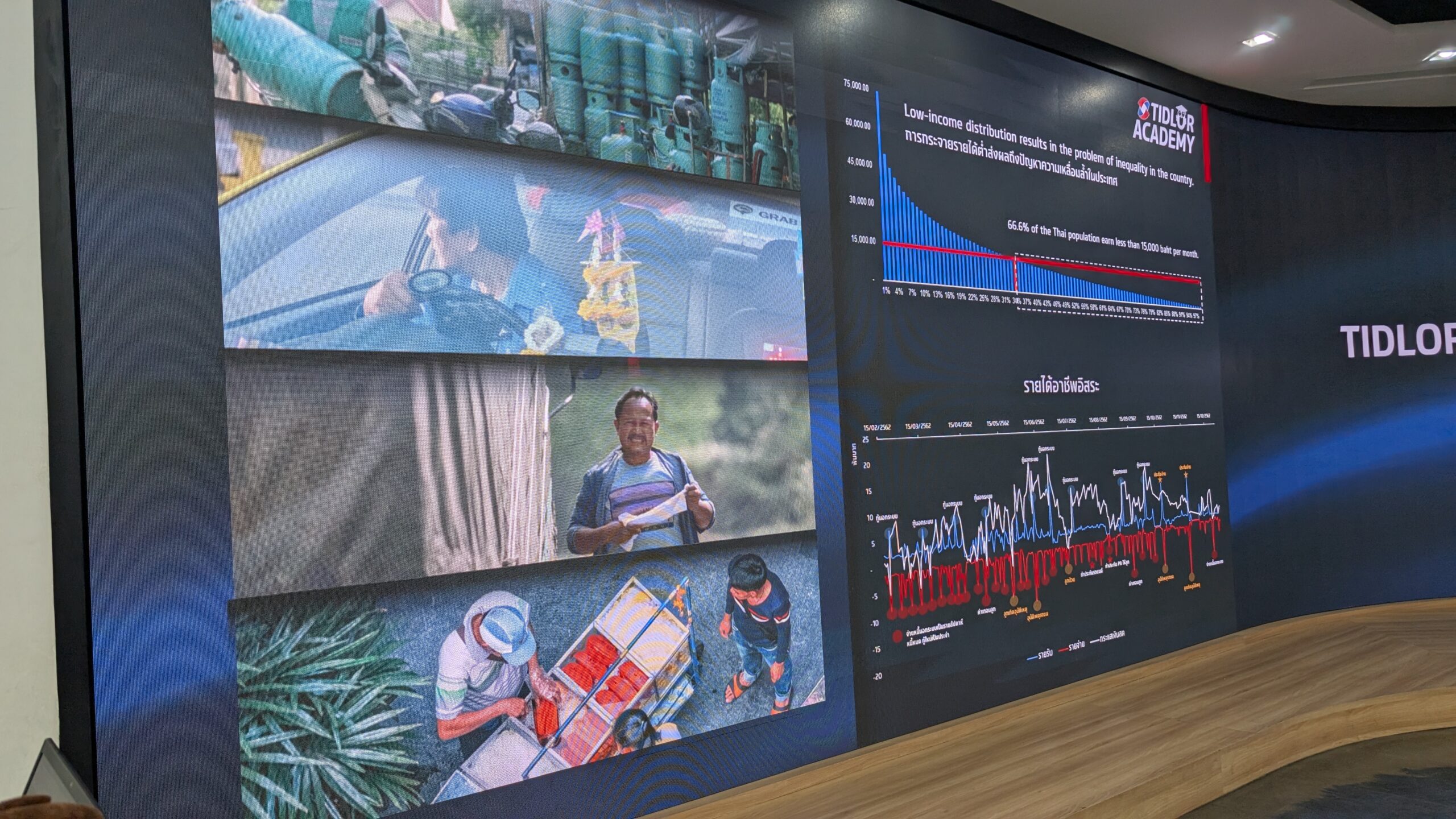
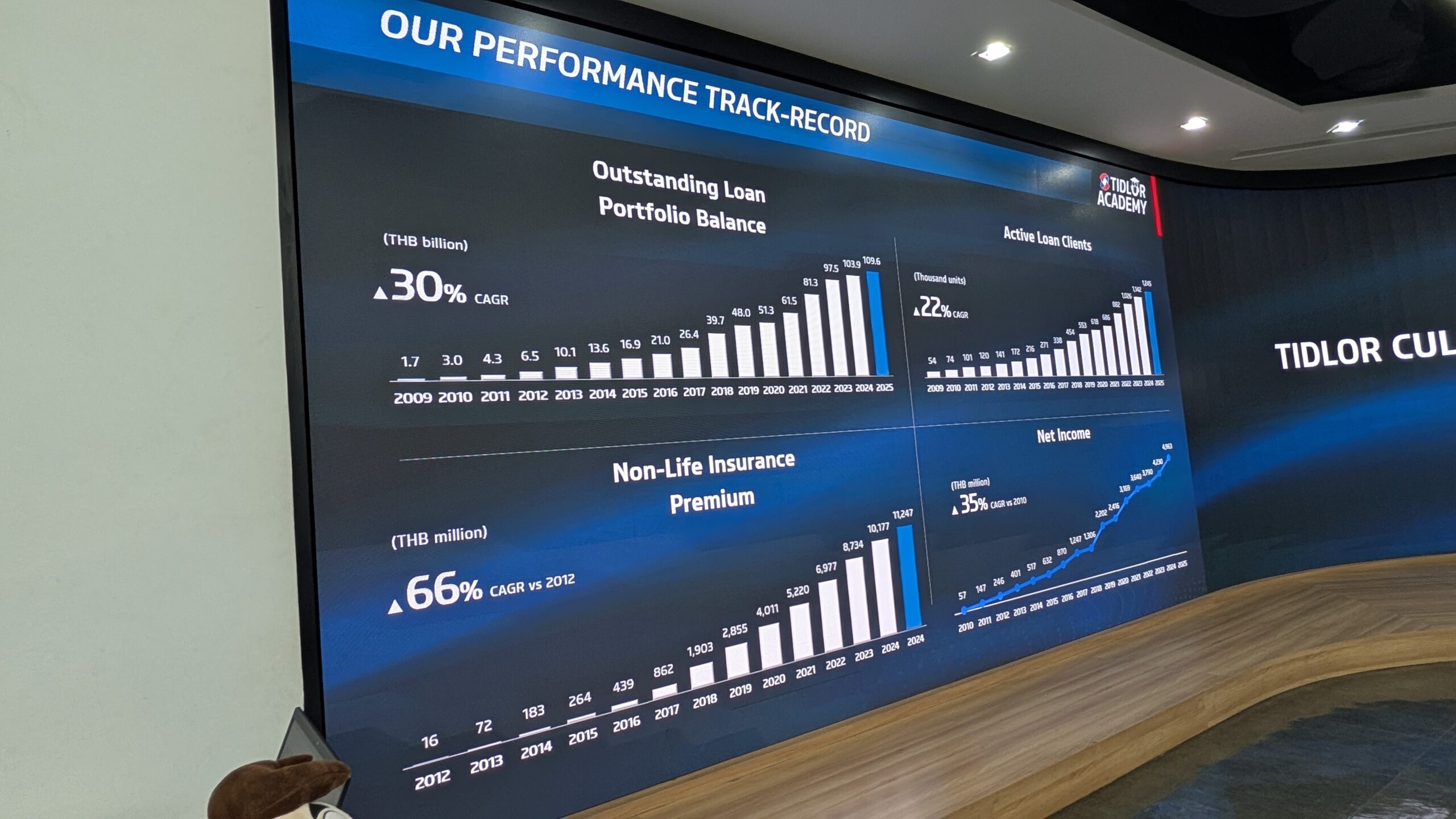
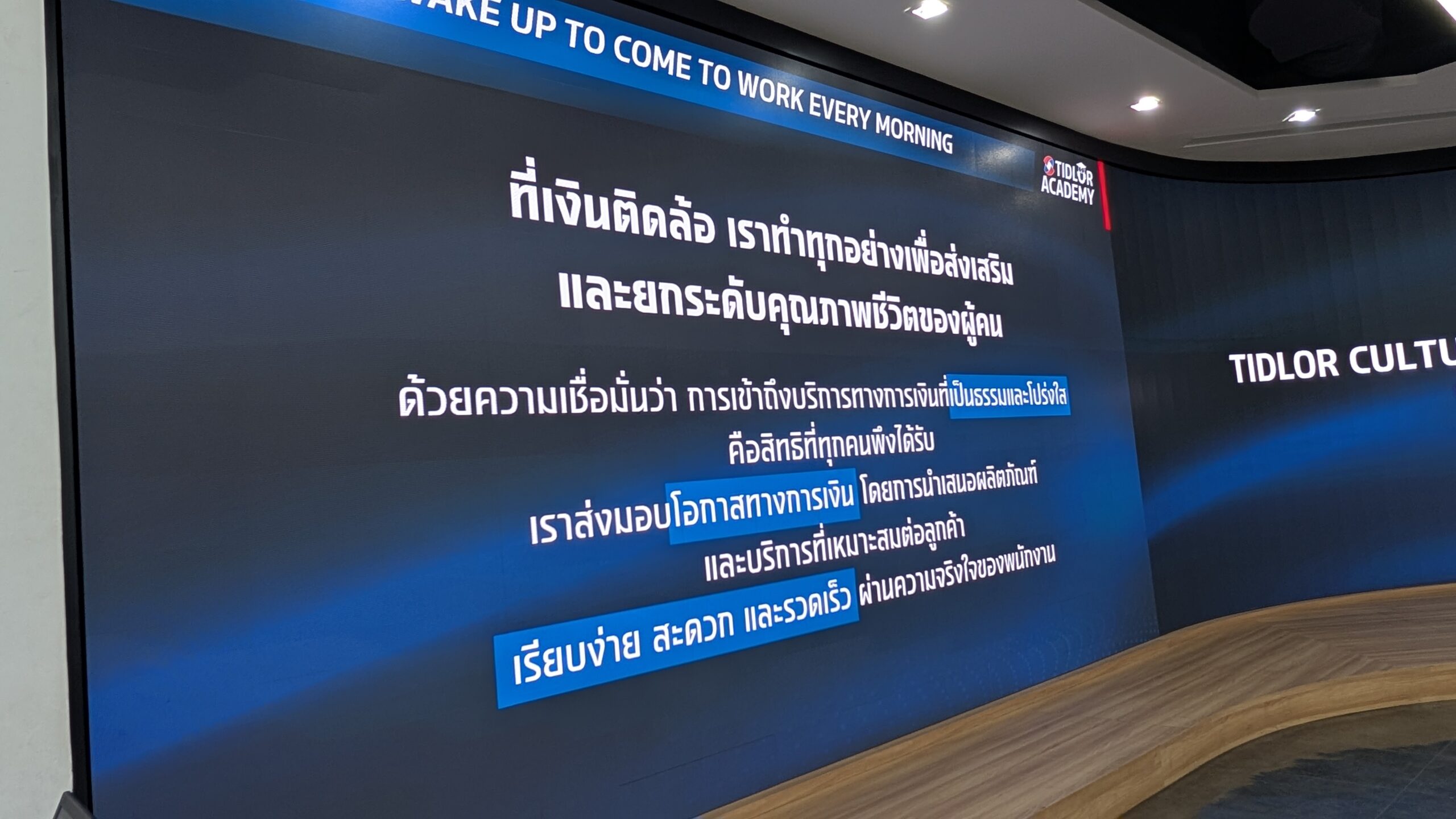
เป้าหมายสูงสุด (Purpose) ของเงินติดล้อชัดเจนมากตั้งแต่ก้าวแรก คือการส่งมอบโอกาสทางการเงินและยกระดับคุณภาพชีวิตให้กับกลุ่มผู้มีรายได้น้อย (Low Income) ที่เข้าไม่ถึงระบบธนาคารหลัก แต่คำถามสำคัญคือ ธุรกิจที่มีมากกว่า 1,900 สาขาทั่วประเทศ จะหล่อหลอมพนักงานจำนวนมหาศาลให้เดินไปสู่จุดหมายเดียวกันได้อย่างไรโดยที่วัฒนธรรมไม่เจือจาง? คำตอบของเงินติดล้อคือการขับเคลื่อนผ่าน “Why” (ทำไมเราถึงมาทำงานในทุกเช้า) และ “How” (เราจะส่งมอบคุณค่านั้นอย่างไร)
บทเรียนและนวัตกรรมที่จับต้องได้:
-
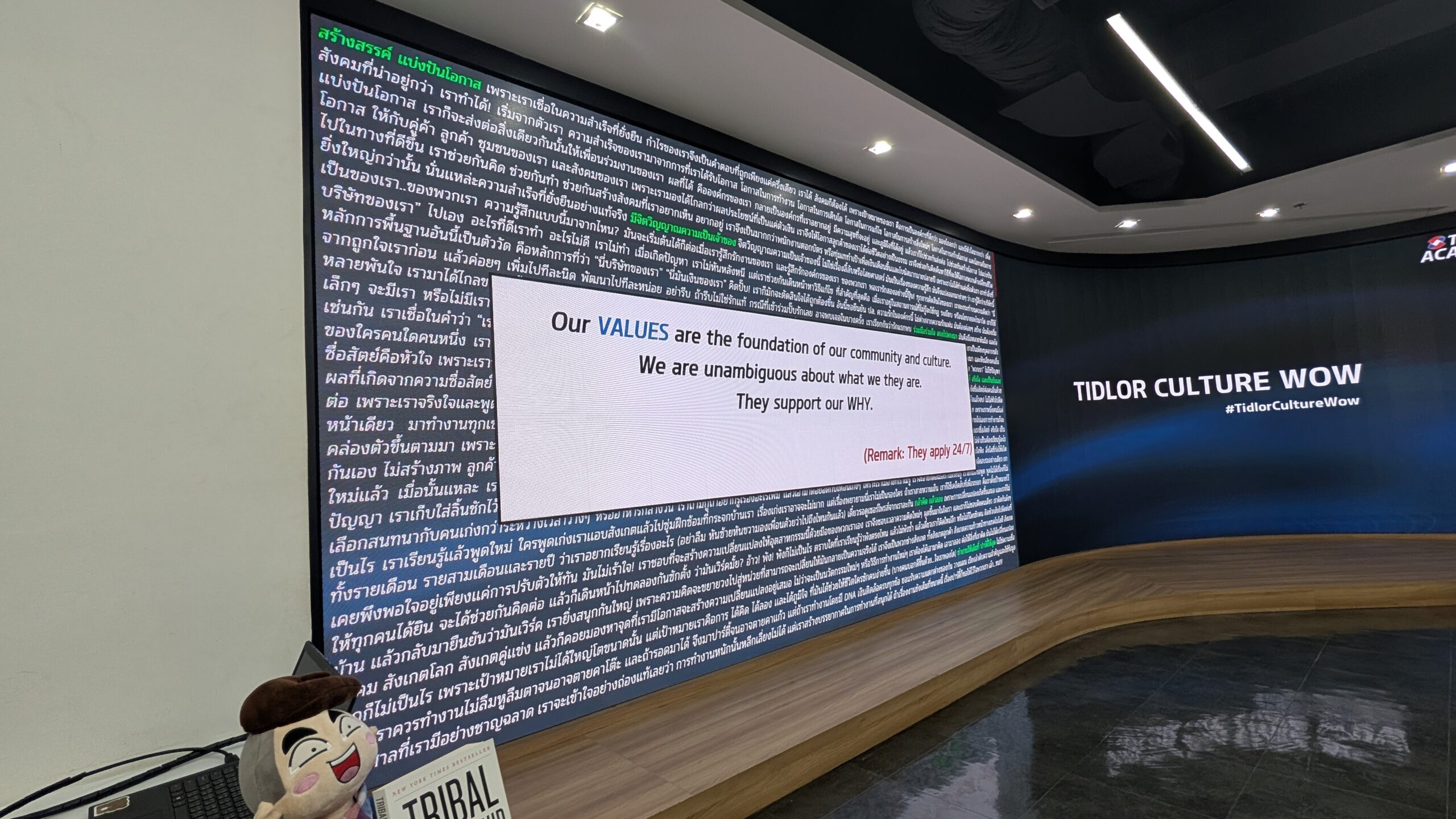
ขุด Core Value ออกมาจากกำแพง: วัฒนธรรมที่นี่ไม่ได้มีไว้แค่แปะบนฝาผนัง แต่ถูกแปลงเป็นพฤติกรรมจริง เช่น การมี License to Fail (ส่งเสริมให้พนักงานกล้าคิดกล้าลองใน Sandbox แล็บนวัตกรรม) , Sense of Ownership (พนักงานคิดเหมือนเป็นเจ้าของบริษัท มีนโยบายช่วยสมทบทุนซื้อหุ้นตอน IPO) , และ Candid Teamwork (สื่อสารตรงไปตรงมาและให้รางวัลกับคนที่กล้าสะท้อนความจริง)
-
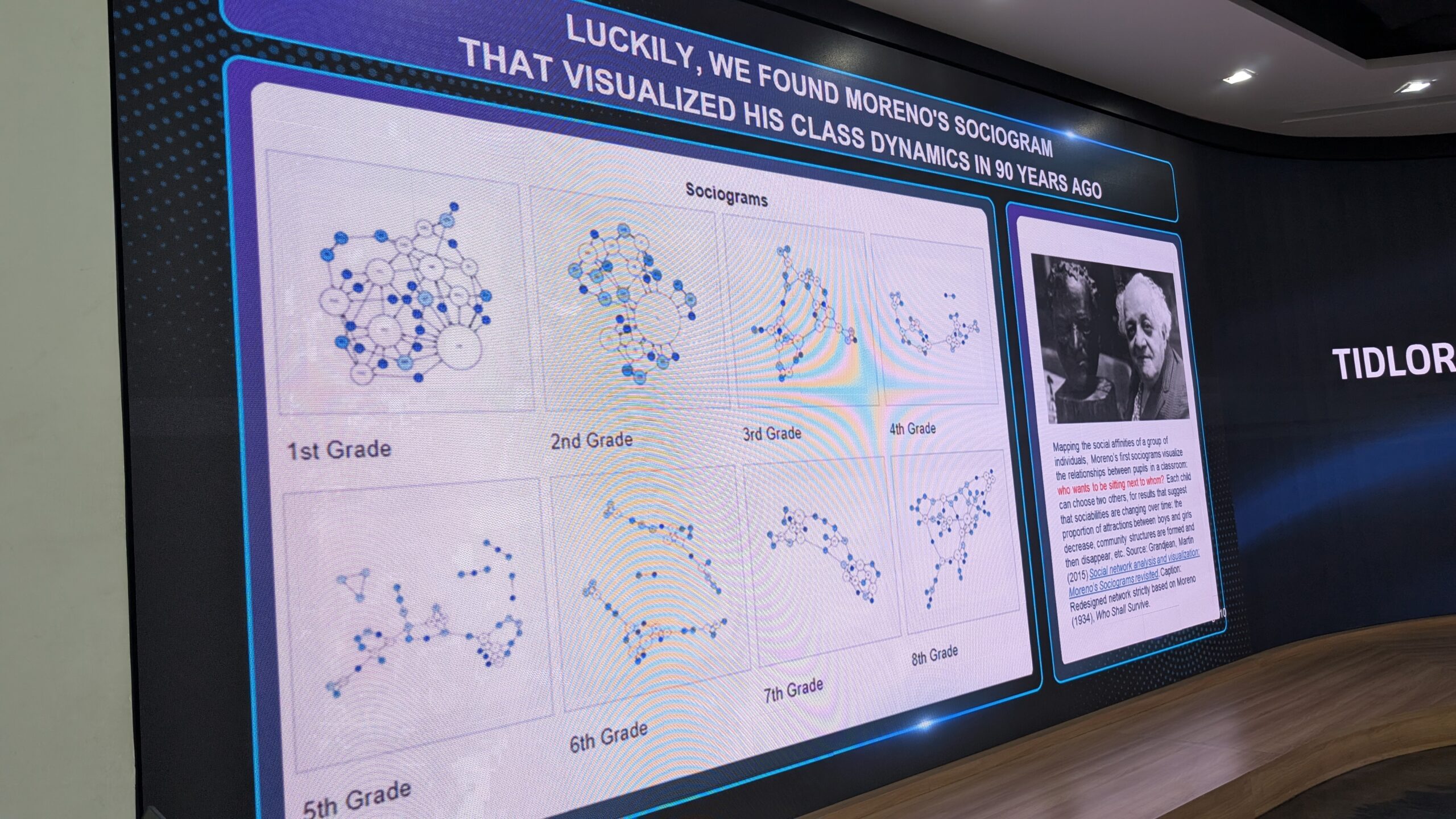
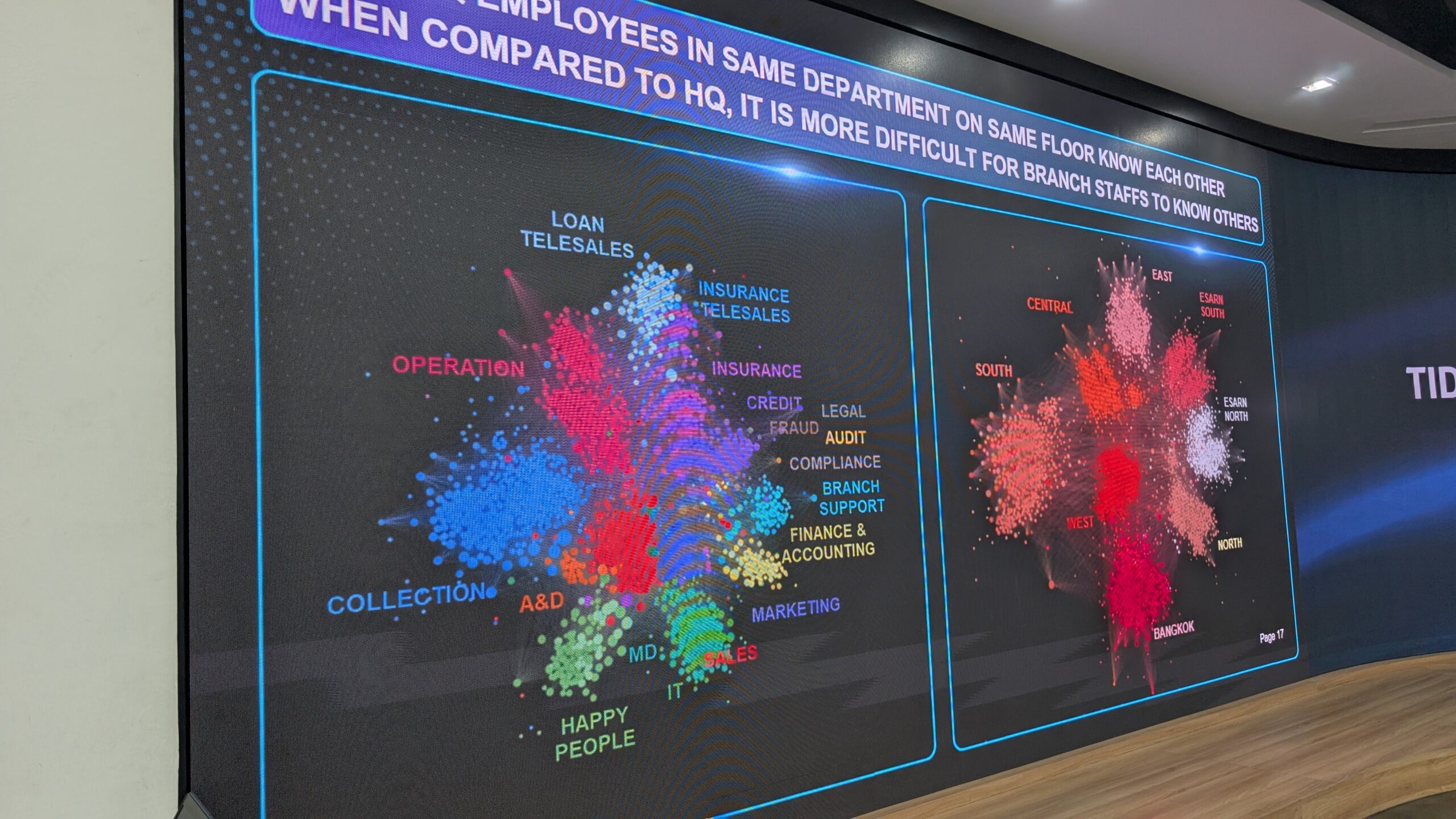
ใช้ Sociogram ค้นหา “Culture Heroes”: เมื่อองค์กรเติบโต การทำงานแบบ Cross-functional จะยากขึ้นและมักเกิด Silo เงินติดล้อจึงนำแนวคิด Sociogram (แผนภูมิสังคม) เข้ามาจับข้อมูลพฤติกรรมและการปฏิสัมพันธ์ เพื่อระบุตัวว่าใครคือ Influencer (ผู้ทรงอิทธิพลทางความคิดที่ไม่เป็นทางการ) ในวงสนทนาของแต่ละกลุ่ม คนเหล่านี้แหละที่จะทำหน้าที่เป็น “จุดกระจายความเข้าใจ” และช่วยส่งต่อ Core Value ขององค์กรไปยังเพื่อนร่วมงานได้อย่างเป็นธรรมชาติและทรงพลังที่สุด
-
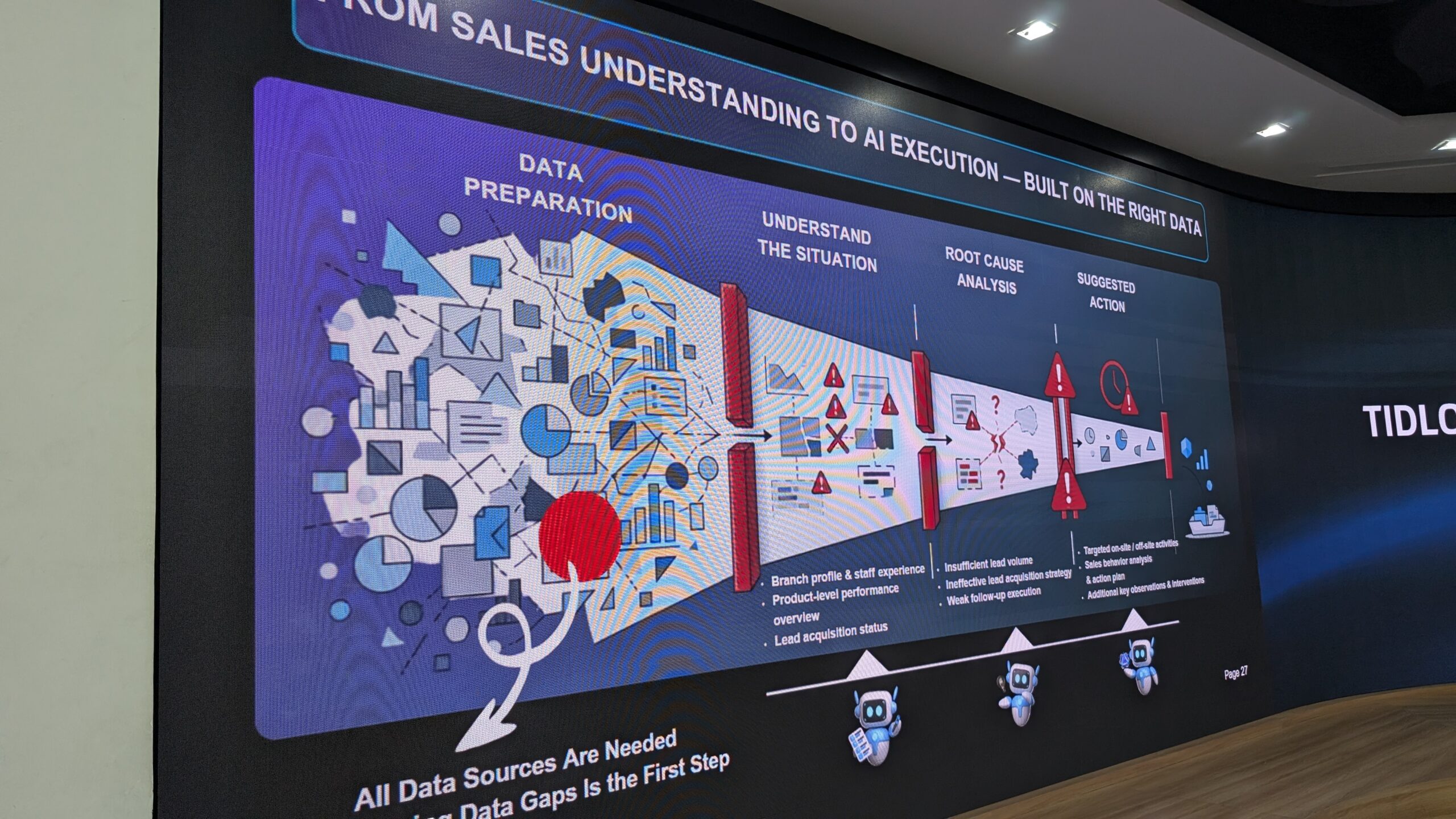
นวัตกรรมที่ Data-Driven และเข้าใจ User: มีการใช้ระบบสารสนเทศภูมิศาสตร์ (GIS) เพื่อวิเคราะห์ความเสี่ยงและประเมินประสิทธิภาพในการเปิด-ปิดสาขา รวมถึงพัฒนาโปรเจกต์ AI ของตัวเอง (ชื่อ “Abdul”) เข้ามาวิเคราะห์ปัญหาหน้างาน โดยเงินติดล้อเน้นย้ำว่า “AI เป็นเพียงคำแนะนำ แต่สิ่งสำคัญยิ่งกว่าคือ Relationship ระหว่างมนุษย์จริง ๆ”
[Part 2] VISTEC: จากงานวิจัยระดับ World-Class สู่นวัตกรรมที่ตอบโจทย์อุตสาหกรรม
ในขณะที่เงินติดล้อเชี่ยวชาญด้านการบริหารคนหน้างาน VISTEC (โดยเฉพาะสำนักวิชา IST) กลับแสดงให้เห็นถึงพิมพ์เขียวของการสร้าง “นวัตกรรมเปลี่ยนโลก” (Frontier AI) ผ่านแนวคิด Networked, Multimodal, Physically Embodied AI (AI ที่เชื่อมโยง รับรู้หลายช่องทาง และปฏิสัมพันธ์กับโลกกายภาพจริงได้)
บทเรียนและสถาปัตยกรรมการเติบโต:
-
เป้าหมายที่เฉียบคมและโครงสร้างที่ Flat: การแบ่งกลุ่มวิจัยเป็น 3 คลัสเตอร์หลักชัดเจน (Physical, Computational, Infrastructure & System Intelligence) ประกอบกับการบริหารองค์กรที่ยืดหยุ่นและแบนราบ (Lean & Flat Organization) ช่วยให้องค์กรสามารถขยับตัวและเติบโตได้อย่างรวดเร็ว
-
Facilities & Support คือรากฐานของงานวิจัยคุณภาพ: การจะสร้าง Impact ระดับโลกได้นั้น โครงสร้างพื้นฐานทางเทคโนโลยี (เช่น Data Center Networks สำหรับประมวลผล AI) และ Facility สภาพแวดล้อมที่พร้อมมูล คือปัจจัยพื้นฐานที่ขาดไม่ได้เลย
-
โมเดล 3 Pillar: สะพานเชื่อมงานวิจัยสู่เชิงพาณิชย์ (Technology Readiness Level (TRL) 1-9): VISTEC มีโมเดลการขับเคลื่อนนวัตกรรมที่ชัดเจน เริ่มตั้งแต่:
-
Pillar 1: งานวิจัยพื้นฐาน (TRL 1-3)
-
Pillar 2: การทดสอบในห้องแล็บขั้นสูง (TRL 4-6)
-
Pillar 3: ผลงานระดับที่นำไปใช้ในธุรกิจและขายได้จริง (TRL 7-9) เช่น แพลตฟอร์มสัญชาติไทยอย่าง VISAI หรือความร่วมมือในแล็บนวัตกรรม WAI ร่วมกับพันธมิตรยักษ์ใหญ่ (PTT, PTTEP, SCB)
-
กระบวนการทั้งหมดผ่านลูปการพัฒนาที่เป็นระบบ: เริ่มจาก Simulation -> ลงลึกใน Lab -> และขยายผลสู่ Pilot Plant ซึ่งสะท้อนว่างานวิจัยที่กลายเป็นสินค้านั้นต้องอาศัยเวลาและการบ่มเพาะที่ยาวนาน
[Reflection] มองกระจกสะท้อน
สิ่งสำคัญที่สุดของการไปศึกษาดูงานไม่ใช่เพียงแค่การไป “เห็น” ว่าคนอื่นเก่งอย่างไร แต่คือการกลับมา “ขบคิด” ว่าเราจะนำความรู้นั้นมาปรับปรุงตัวเราให้ดีขึ้นได้อย่างไร ผมเห็นโอกาสมากมายที่เราสามารถนำแนวคิดเหล่านี้มาประยุกต์ใช้เพื่อจุดประกายความเปลี่ยนแปลงใน 2 มิติหลัก:
1. การสร้าง Core Value Awareness ด้วย Sociogram (เพื่อคนทำงานและนักศึกษา)
-
สำหรับบุคลากร (Staff & Faculty): ในช่วงเวลาที่เรากำลังขับเคลื่อนหลักสูตรใหม่ๆ หรือการพัฒนาเครื่องมือการเรียนการสอน การสื่อสารแบบสั่งการบนลงล่าง (Top-down) มักจะมีข้อจำกัด หากเราลองปรับใช้ Sociogram เพื่อค้นหา “แกนนำทางความคิดที่ไม่เป็นทางการ” (Informal Influencers) ในกลุ่มอาจารย์และเจ้าหน้าที่สายสนับสนุน แล้วชวนคนกลุ่มนี้มาเป็นกระบอกเสียงและร่วมทดลองสร้างต้นแบบ ความเข้าใจและการยอมรับใน Core Value ใหม่ๆ จะกระจายตัวได้ไวกว่าเดิมมาก
-
สำหรับนักศึกษา: ในกิจกรรมใหญ่ของคณะหรือกิจกรรมพัฒนานักศึกษา เราสามารถใช้แนวคิด Sociogram ค้นหา “Peer Network Hubs” หรือนักศึกษาที่เป็นศูนย์กลางของกลุ่มเพื่อน เพื่อดึงพวกเขาเข้ามาเป็นแกนนำขับเคลื่อนกิจกรรม การสร้าง Awareness ผ่านกลุ่มเพื่อนด้วยกันจะสร้าง Dynamic และพลังการมีส่วนร่วม (Sense of Ownership) ที่ยั่งยืนกว่าการประกาศแบบเป็นทางการ
2. การสร้างวัฒนธรรมทีมวิจัยและระบบสนับสนุน (Research Culture & Support System)
การสร้างทีมวิจัยที่แข็งแกร่ง (เช่น ทีม GeoAI หรือ remote sensing) ไม่ได้อาศัยเพียงแค่ศักยภาพของนักวิจัยรายบุคคล แต่ต้องการโครงสร้างที่ถอดบทเรียนมาจาก VISTEC:
-
Clear Mentoring Process (กระบวนการพี่เลี้ยงที่ชัดเจน): เราต้องสร้างนิเวศการวิจัยในลักษณะ Multi-tier Mentorship ที่เชื่อมโยงอาจารย์, นักศึกษาบัณฑิตศึกษา (ป.โท-เอก), และนักศึกษา ป.ตรี (ผ่าน Senior Project) เข้าด้วยกันเป็นเนื้อเดียว ให้แล็บวิจัยเป็นพื้นที่แห่งการเรียนรู้ที่ทุกคนได้ส่งต่อความรู้และเติบโตไปด้วยกัน
-
Lean Support Staff (ลดภาระงานระบบ เพิ่มเวลาวิจัย): เพื่อให้อาจารย์และนักวิจัยสามารถโฟกัสกับการคิดค้นนวัตกรรม (TRL ขั้นต้น) ได้อย่างเต็มที่ จำเป็นต้องพัฒนาระบบสนับสนุนหลังบ้าน (Support Staff) ที่มีความคล่องตัว ช่วยดูแลเรื่องงานเอกสาร ทุนวิจัย และการจัดซื้อจัดจ้างอย่างเป็นระบบ เพื่อลดภาระงานแอดมินที่ไม่จำเป็นลง
-
สร้างสภาพแวดล้อมแล็บวิจัยที่ปลอดภัย (License to Fail): ส่งเสริมให้นักศึกษาและนักวิจัยกล้าตั้งโจทย์ยากๆ กล้าทดลองสิ่งใหม่ในแล็บ โดยมองว่าความล้มเหลวระหว่างทางคือ “กระบวนการเรียนรู้และสะสมดาต้า” เพื่อเป็นรากฐานสู่งานวิจัยที่สร้างอิมแพ็กได้จริง
บทสรุป: “ไปด้วยกันไปได้ไกล”
ความสำเร็จขององค์กรไม่ได้เกิดขึ้นจากใครคนใดคนหนึ่งที่เดินไปข้างหน้าอย่างโดดเดี่ยว แต่เกิดจากการออกแบบระบบ สภาพแวดล้อม และวัฒนธรรมที่เอื้อให้ “ทุกคนในองค์กรเดินไปพร้อมกัน” เงินติดล้อพิสูจน์ให้เห็นแล้วว่าการเอาใส่ใจในผู้คนและวัฒนธรรมสามารถสร้างพลังขับเคลื่อนธุรกิจได้มหาศาล ส่วน VISTEC ก็แสดงให้เห็นว่าระบบสนับสนุนและเป้าหมายที่ชัดเจนสามารถดันงานวิจัยไทยให้ไปไกลถึงระดับโลกได้
การผสานความใส่ใจในผู้คน (People & Culture) เข้ากับระบบสนับสนุนการวิจัยที่แข็งแกร่ง (Facilities & Support) จะเป็นบันไดขั้นสำคัญที่ช่วยให้ทั้งบุคลากรและนักศึกษาของเรา สามารถสร้างสรรค์นวัตกรรม เรียนรู้อย่างมีความสุข และเติบโตไปด้วยกันอย่างยั่งยืน… เพราะเราเชื่อมั่นว่า “ไปด้วยกัน… ไปได้ไกล” ครับ
Not long ago, my colleagues from the College of Computing at Khon Kaen University and I had the opportunity to embark on a study trip to visit two of Thailand’s leading organizations, each showcasing outstanding success in entirely different dimensions. The first was Ngern Tid Lor Public Company Limited (TIDLOR), a pioneer in digital-era vehicle title loans and non-life insurance brokerage. The second was the Vidyasirimedhi Institute of Science and Technology (VISTEC), a world-class graduate and research institute for science and technology.
While the contexts of these two institutions seem to sit at opposite poles, what we discovered and collectively realized throughout this journey was the sheer “power of organizational culture, data, and robust support systems.” These elements serve as the core engines driving their nationwide and global milestones. For us, these are invaluable lessons that we can deconstruct, internalize, and use to re-design and elevate our own operations and learning ecosystem.
[Part 1] Ngern Tid Lor: Building a Powerful Organizational Culture via Data & Sociograms
Ngern Tid Lor’s ultimate purpose has been clear from day one: to provide financial opportunities and elevate the quality of life for low-income individuals who have fluctuating incomes, lack financial literacy, and cannot access traditional banking institutions. But a massive question arises: How does an organization with over 1,900 branches nationwide instill a unified culture across thousands of frontline employees without it getting diluted? TIDLOR’s answer lies in a relentless focus on “Why” (why we show up to work every morning) and “How” (how we deliver that value).
Key Lessons and Actionable Innovations:
-
Taking Core Values off the Walls: Values here are not just text painted on a wall; they are translated directly into everyday employee behavior. This includes a “License to Fail” (encouraging staff to think, try, and experiment within an innovation lab framework) , a true “Sense of Ownership” (employees treat the capital as if it were their own, and the company even co-funded employee stock purchases during their IPO) , and “Candid Teamwork” (rewarding upfront, transparent communication and honesty).
-
Using Sociograms to Locate “Culture Heroes”: As organizations scale, cross-functional collaboration becomes difficult, and corporate silos naturally develop. To counter this, Ngern Tid Lor utilized Sociograms—mapping behavioral and relationship data to identify the true, informal influencers within team circles. These key individuals act as vital hubs or bridges, naturally and effectively diffusing the organization’s core values to their peers.
-
Data-Driven and User-Centric Innovation: TIDLOR utilizes Geographic Information Systems (GIS) to evaluate financial risks and optimize branch openings and performances. They also developed an in-house AI project named “Abdul” to diagnose frontline issues and dissect root causes. Crucially, they emphasize: “AI is merely a recommendation tool; the real-world human relationship is what matters most.”
[Part 2] VISTEC: Scaling World-Class Research into Industry-Ready Solutions
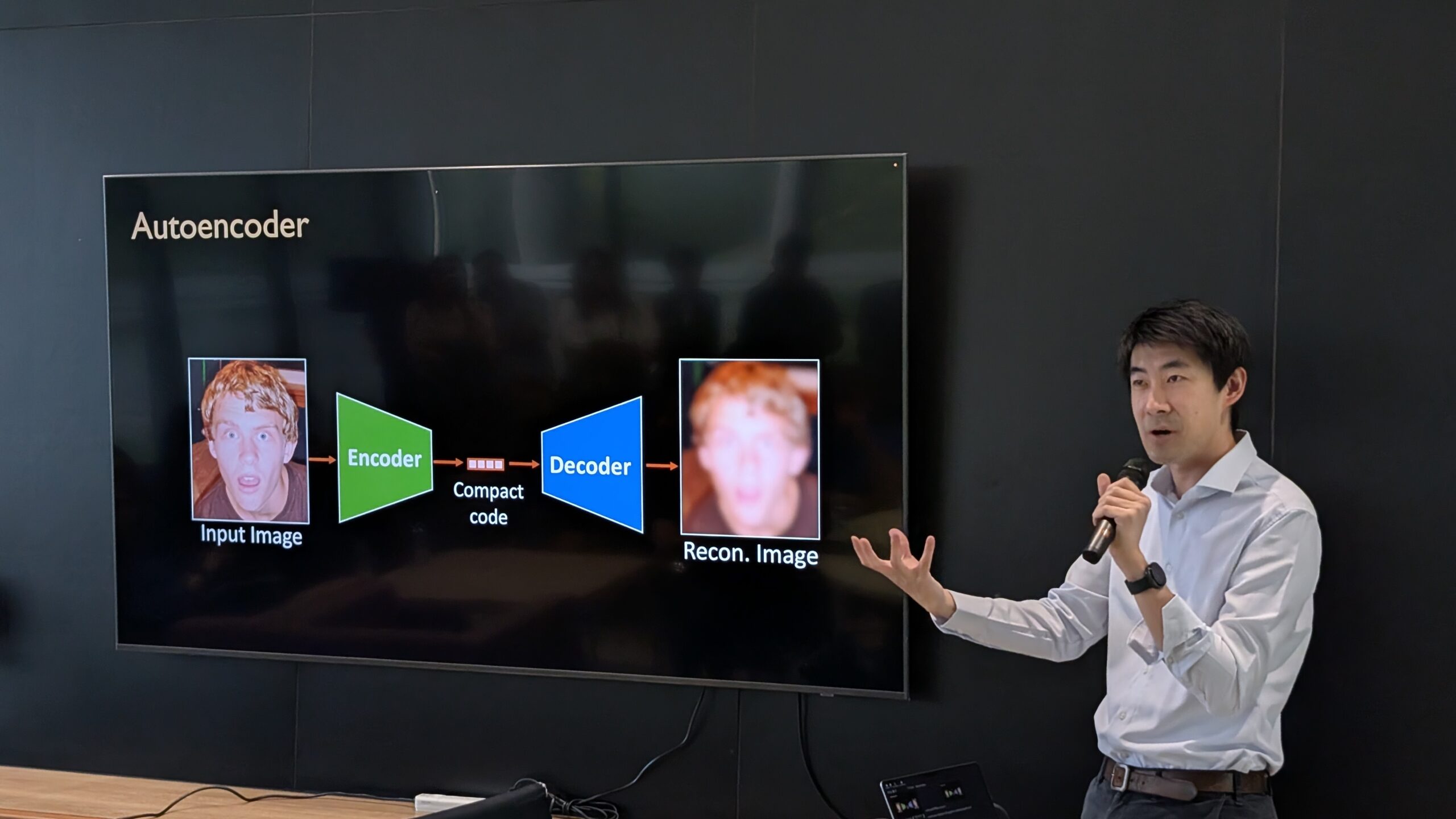
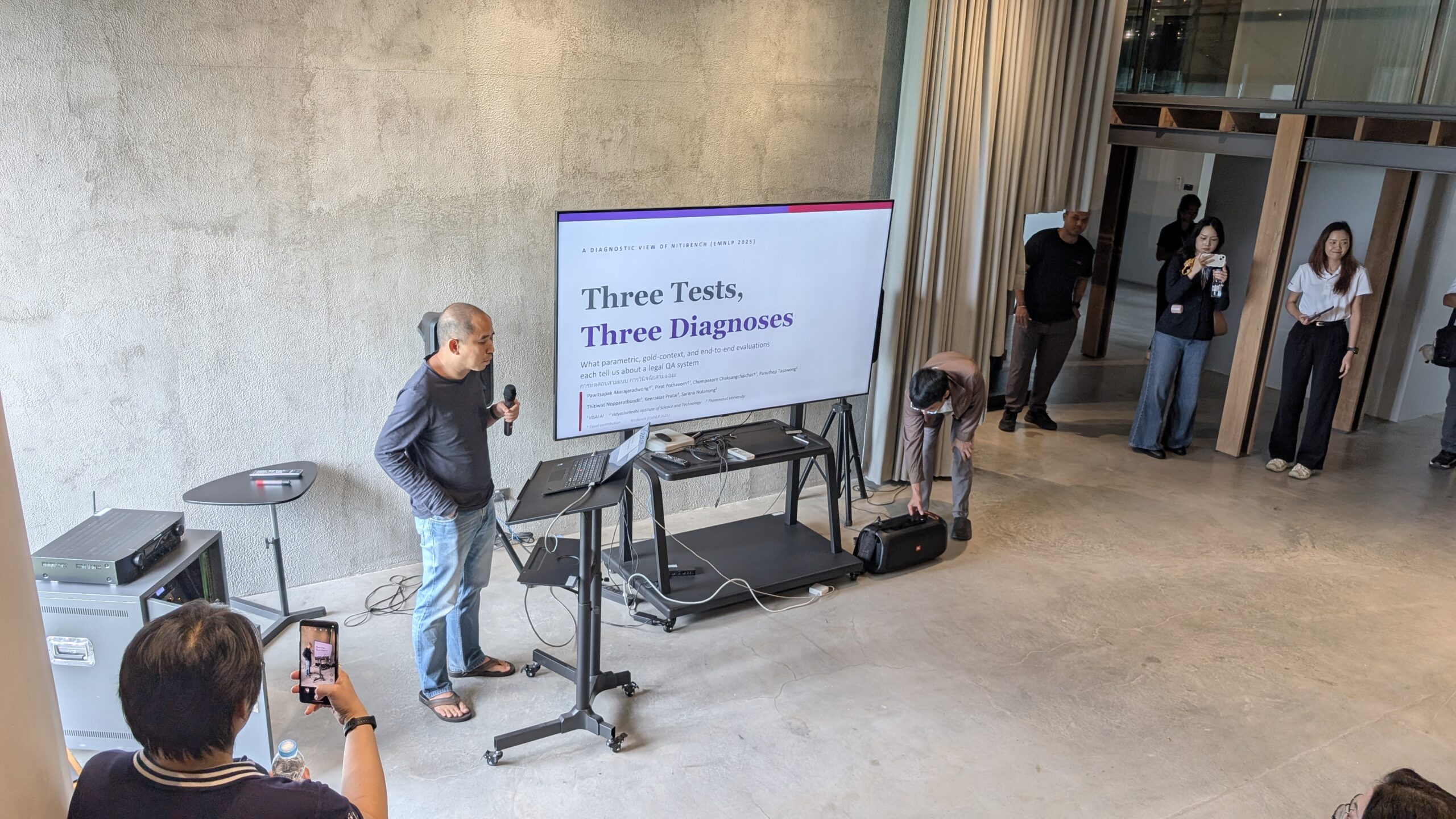
While Ngern Tid Lor masters human-centric frontline operations, VISTEC (specifically the School of Information Science and Technology, or IST) showcases a masterclass blueprint for creating cutting-edge, “frontier” breakthroughs under the vision of Networked, Multimodal, Physically Embodied AI.
Key Lessons and Structural Pillars:
-
Laser-Focused Goals and Flat Hierarchies: VISTEC neatly organizes its core tech development into three distinct research clusters: Physical Intelligence, Computational Intelligence, and Infrastructure & System Intelligence. Operating as a lean, flat organization allows them to move agilely and accelerate growth rapidly.
-
Facilities & Infrastructure as the Bedrock of Quality: To yield world-class academic and practical impacts, high-end technical infrastructure—such as specialized data center networks optimized for heavy AI processing—and state-of-the-art facilities are mandatory baselines.
-
The 3-Pillar Model: Bridging the Research-to-Commercialization Gap (Technology Readiness Level (TRL) 1–9): VISTEC implements a definitive pipeline to push raw academic ideas into industrial ecosystems.
-
Pillar 1 (TRL 1–3): Fundamental Research.
-
Pillar 2 (TRL 4–6): Advanced translation and lab-scale demonstrations.
-
Pillar 3 (TRL 7–9): Commercial-ready exploitation and deployment. Examples include the Thai AI platform VISAI or advanced industrial collaborative labs (WAI) partnered alongside industrial giants like PTT, PTTEP, and SCB.
-
Development Flow: Technologies mature systematically through a continuous loop: starting in Simulation, moving to the Lab, and scaling at a Pilot Plant. This underscores that transforming research into a tangible product requires long-term commitment, nurturing, and patience.
Reflection
The ultimate value of any site visit is not simply to admire how successful another organization is, but to actively reflect on how we can turn those observations into internal improvements. I see massive opportunities to apply these frameworks to ignite meaningful change across two principal dimensions:
1. Generating Core Value Awareness via Sociograms (For Staff & Students)
-
For Faculty and Staff: When we roll out new academic curricula or introduce custom digital educational tools, traditional top-down administrative mandates often run into operational friction. If we instead adopt the Sociogram approach to identify our “informal key influencers” among faculty and administrative staff, we can invite them to be early advocates and co-creators. Cultivating change through these trusted peers allows a shared understanding and acceptance of new core values to diffuse much faster and more organically.
-
For Students: For milestones like organizing major college events or student development initiatives, we can intentionally pinpoint “Peer Network Hubs”—the natural student leaders at the center of social circles. Bringing these students directly into the executive planning fabric drives a sustainable, organic sense of ownership across the student body that a formal university announcement simply cannot replicate.
2. Building a Robust Research Culture & Support System
Constructing a resilient, highly productive research team (such as our groups in GeoAI, remote sensing, or hydrographic mapping) cannot rely solely on isolated individual efforts. It requires a deliberate ecosystem inspired by the VISTEC blueprint:
-
A Clear Mentoring Process: We must establish a multi-tier mentoring environment that integrates faculty, graduate students (Master’s and Ph.D.), and undergraduate seniors working on capstone projects into a single cohesive unit. The research lab should be a safe harbor where knowledge is actively passed down, and everyone grows collectively.
-
Lean Support Operations (Minimizing Admin Load to Maximize Research): To empower our researchers to focus entirely on core innovation and technical development (early TRL phases), the college should develop an agile, dedicated administrative support structure. Handling paperwork, grant logistics, and procurement smoothly through specialized support staff minimizes the tedious administrative burdens placed on researchers.
-
A Secure Lab Environment (License to Fail): We must cultivate an atmosphere where students and researchers feel safe pursuing ambitious, high-risk, high-reward questions. Treating failures along the way as essential “data collection and iterative learning steps” is the only way to build breakthroughs that create undeniable real-world impact.
Conclusion: “Go Together, Go Far”
An organization’s ultimate triumph never rests on a single individual racing ahead alone. It happens when we intentionally design systems, environments, and cultures that enable everyone to step forward together. Ngern Tid Lor proves that a deep, analytical focus on culture and people yields immense operational momentum. Concurrently, VISTEC proves that a clear vision backed by world-class infrastructure can propel local research to global standards.
Fusing a human-centric culture (People & Culture) with an optimized, friction-free research infrastructure (Facilities & Support) will be our defining stepping stone. By prioritizing these systems, we ensure that our faculty, staff, and students are fully equipped to build impactful innovations, learn with a deep sense of purpose, and scale new heights together… Because we firmly believe: “If you want to go far, go together.”